
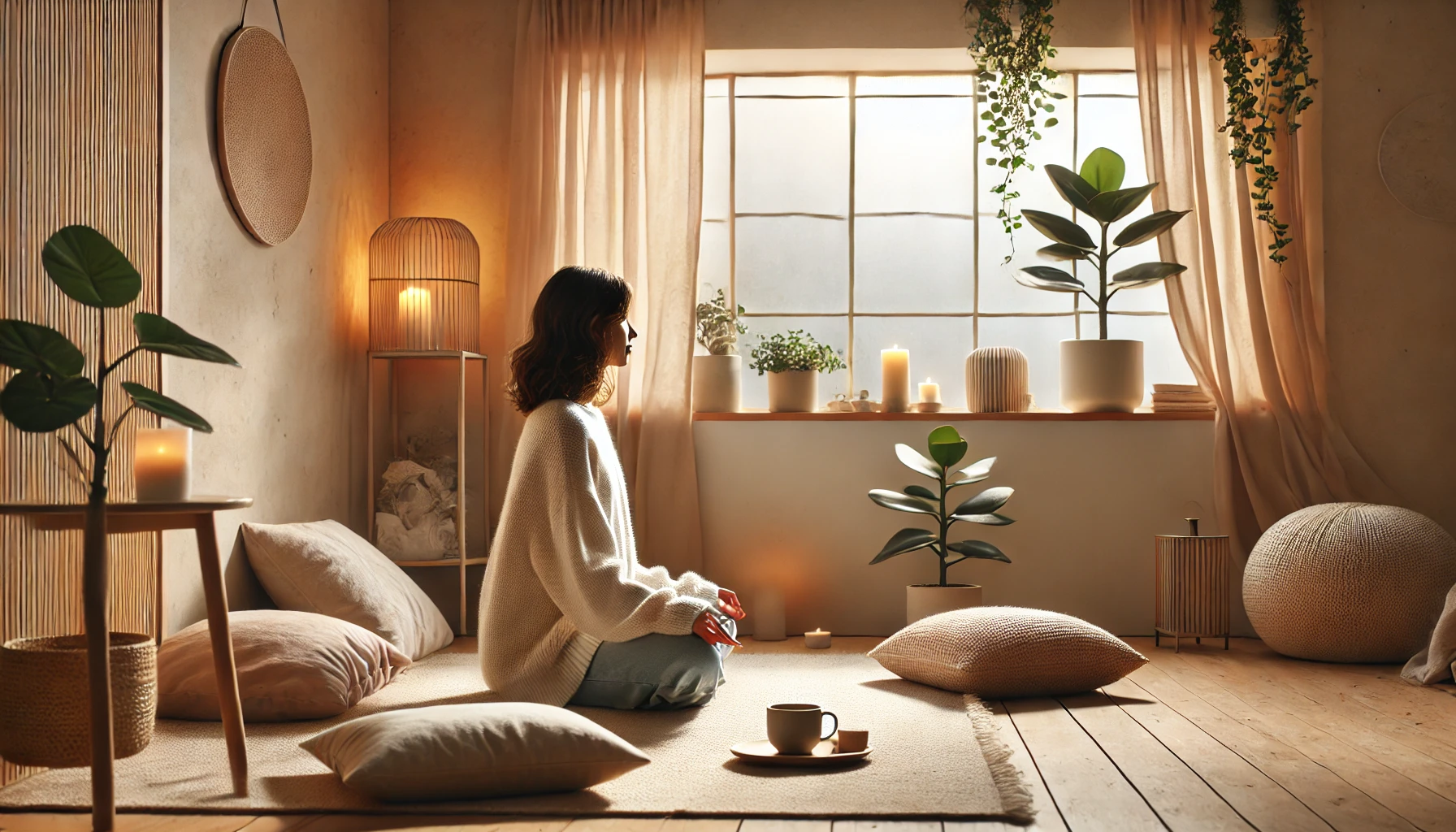
The modern world is full of distractions, pressure, and constant noise—externally and internally. Emails, deadlines, traffic, social media, and even our own racing thoughts can make us feel overwhelmed and disconnected from ourselves.
But inner peace isn’t about escaping the world. It’s about finding stillness within it.
In this article, you’ll learn how to cultivate inner peace no matter what’s happening around you—through daily practices, mindset shifts, and conscious choices.
1. Create Moments of Stillness
You don’t need hours of meditation to experience peace. Short moments of stillness—just a few deep breaths or a mindful pause—can help you reset and reconnect with your center.
Tip: Start your morning or break your day with 2–3 minutes of quiet. Breathe deeply. Listen. Just be.
2. Limit Information Overload
Too much input leads to mental clutter. Constant notifications, breaking news, and endless scrolling keep your nervous system in overdrive. Peace requires space to think and breathe.
Tip: Choose intentional information windows—limit screen time, turn off non-essential alerts, and unsubscribe from noise.
3. Practice Letting Go
Peace doesn’t come from control—it comes from acceptance. Letting go of what you can’t change, what no longer serves you, or what’s outside your control brings relief and clarity.
Tip: Write down one thing you’re carrying that you could release today. Breathe it out. Let it go.
4. Slow Down
A rushed life is rarely a peaceful one. Slowing down allows you to be more present, more aware, and less reactive.
Tip: Practice “doing one thing at a time.” Walk slower. Eat mindfully. Speak with intention.
5. Surround Yourself with Calm
Your environment affects your inner world. Create spaces—both physical and digital—that support serenity.
Tip: Declutter your space, add plants or candles, play soft music, and make your home a place that feels peaceful to you.
6. Practice Gratitude and Presence
Peace grows where appreciation lives. When you’re grateful, your attention shifts from what’s missing to what’s meaningful.
Tip: Notice beauty in small things—a smile, a breeze, a warm cup of tea. These moments are where peace lives.
7. Disconnect to Reconnect
Being constantly connected to devices and responsibilities disconnects you from yourself. Taking intentional breaks from technology and social input can bring a surprising sense of freedom.
Tip: Try a daily “unplugged hour” or go screen-free for a morning each weekend.
8. Journal Your Thoughts
Writing helps you clear mental clutter and process emotions. It’s a tool for self-awareness and emotional clarity.
Tip: Journal with prompts like: What’s weighing on my heart? What brings me peace right now?
9. Say No Without Guilt
Inner peace requires boundaries. Saying yes to everything often leads to resentment and burnout. Saying no honors your energy and values.
Tip: Start small. Say no to one thing that drains you this week—and yes to rest.
10. Cultivate Self-Compassion
True peace begins within. Speak to yourself with kindness, especially when things are hard. Accept your imperfections. Trust your path.
Tip: When you’re struggling, place your hand over your heart and say, “I’m doing my best. It’s enough.”
Final Thoughts: Peace Is a Daily Practice
Inner peace isn’t a destination—it’s a habit. It’s the sum of small, intentional moments where you choose calm over chaos, presence over pressure, and love over fear.
You can’t always control the world—but you can create peace within it.
