
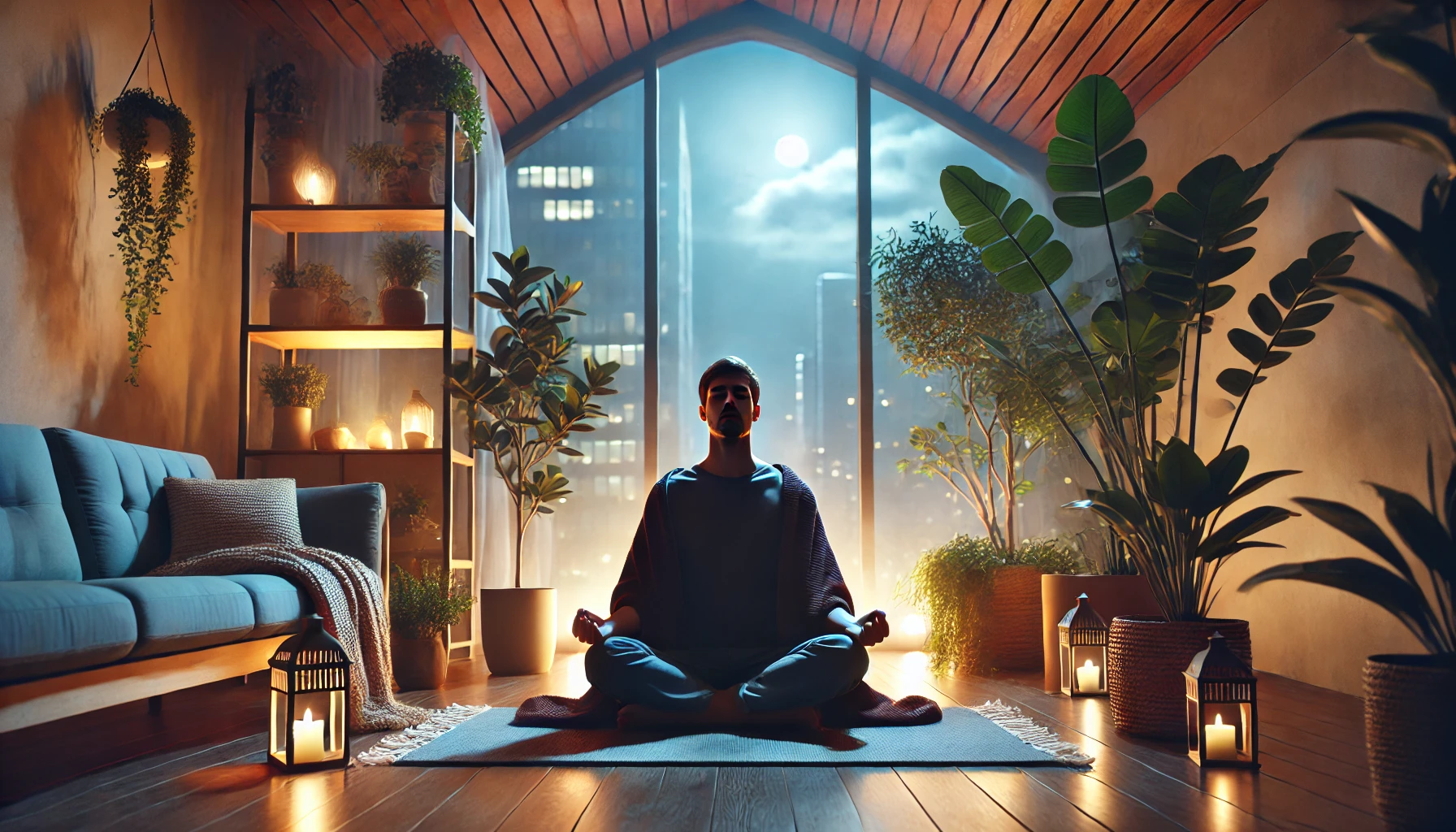
Stress is a natural part of life, but how you respond to it can make all the difference. Relaxation techniques are powerful tools for calming your mind, reducing tension, and restoring balance. By incorporating simple practices into your daily routine, you can improve your overall health and well-being.
In this article, we’ll explore effective relaxation techniques to help you manage stress and feel more at ease.
1. Deep Breathing Exercises
Deep breathing is one of the simplest and most effective ways to manage stress. When you focus on slow, deep breaths, you activate the parasympathetic nervous system, which helps calm your body and mind.
Tip: Try the 4-7-8 technique: inhale for 4 seconds, hold for 7 seconds, and exhale slowly for 8 seconds. Repeat a few times to reduce stress.
2. Progressive Muscle Relaxation
Progressive muscle relaxation (PMR) involves tensing and then relaxing different muscle groups in your body. This technique can help reduce muscle tension, which often builds up during stressful times.
Tip: Start at your feet and work your way up, tensing each muscle group for 5 seconds before releasing.
3. Visualization or Guided Imagery
Visualization is a technique where you imagine a peaceful scene or setting to help calm your mind. By focusing on vivid imagery—such as a calm beach or quiet forest—you can lower stress levels and foster a sense of tranquility.
Tip: Take a few moments to close your eyes and imagine yourself in your favorite peaceful place. Focus on the sights, sounds, and smells of the environment.
4. Meditation
Meditation helps clear your mind and promote a sense of calm. By focusing your attention and eliminating distractions, you allow your mind to rest and reset.
Tip: Start with just 5 minutes of meditation. Sit comfortably, close your eyes, and focus on your breath. Whenever your mind wanders, gently bring it back to your breath.
5. Aromatherapy
Aromatherapy uses essential oils to promote relaxation and reduce stress. Certain scents, like lavender and chamomile, have been shown to calm the nervous system and improve mood.
Tip: Diffuse essential oils in your home, or apply them topically (with carrier oil) for a calming effect.
6. Yoga or Tai Chi
Yoga and Tai Chi are both gentle exercises that combine movement, breathing, and meditation. These practices help to improve flexibility, strength, and mental clarity while reducing stress.
Tip: Look for beginner classes or follow online videos for short sessions that fit into your daily routine.
7. Journaling
Journaling can help you process your thoughts and emotions, offering an outlet for stress. Writing down your feelings can bring clarity and help you let go of tension.
Tip: Write for 10-15 minutes about your day, your worries, or what you’re grateful for. This simple practice can help you release stress.
8. Listening to Music
Music has the power to shift your mood and calm your nerves. Listening to soothing music can trigger relaxation responses in the brain, reducing anxiety and stress levels.
Tip: Create a playlist of calming music and listen to it during breaks, before bed, or while you’re unwinding.
9. Taking a Warm Bath
A warm bath can relax your muscles and calm your mind. Adding essential oils or bath salts can enhance the relaxing effects, making it a soothing ritual.
Tip: Add lavender, eucalyptus, or chamomile oils to your bath to promote relaxation and improve sleep.
10. Spending Time in Nature
Spending time outdoors, surrounded by nature, can significantly reduce stress levels. The peaceful environment, fresh air, and connection to the earth help restore emotional balance.
Tip: Take a walk in the park, go for a hike, or simply sit outside and enjoy the natural surroundings to unwind.
Final Thoughts: Relaxation Is Key to Stress Management
Relaxation techniques are essential tools for managing stress and restoring balance in your life. Whether it’s through deep breathing, yoga, or spending time in nature, regular practice can help you feel calmer, more centered, and better equipped to handle life’s challenges.
Incorporating these techniques into your daily routine will not only reduce stress but also improve your overall well-being.
